October 23, 2026
Konstantin ShvartsGold tests the 4,000 support
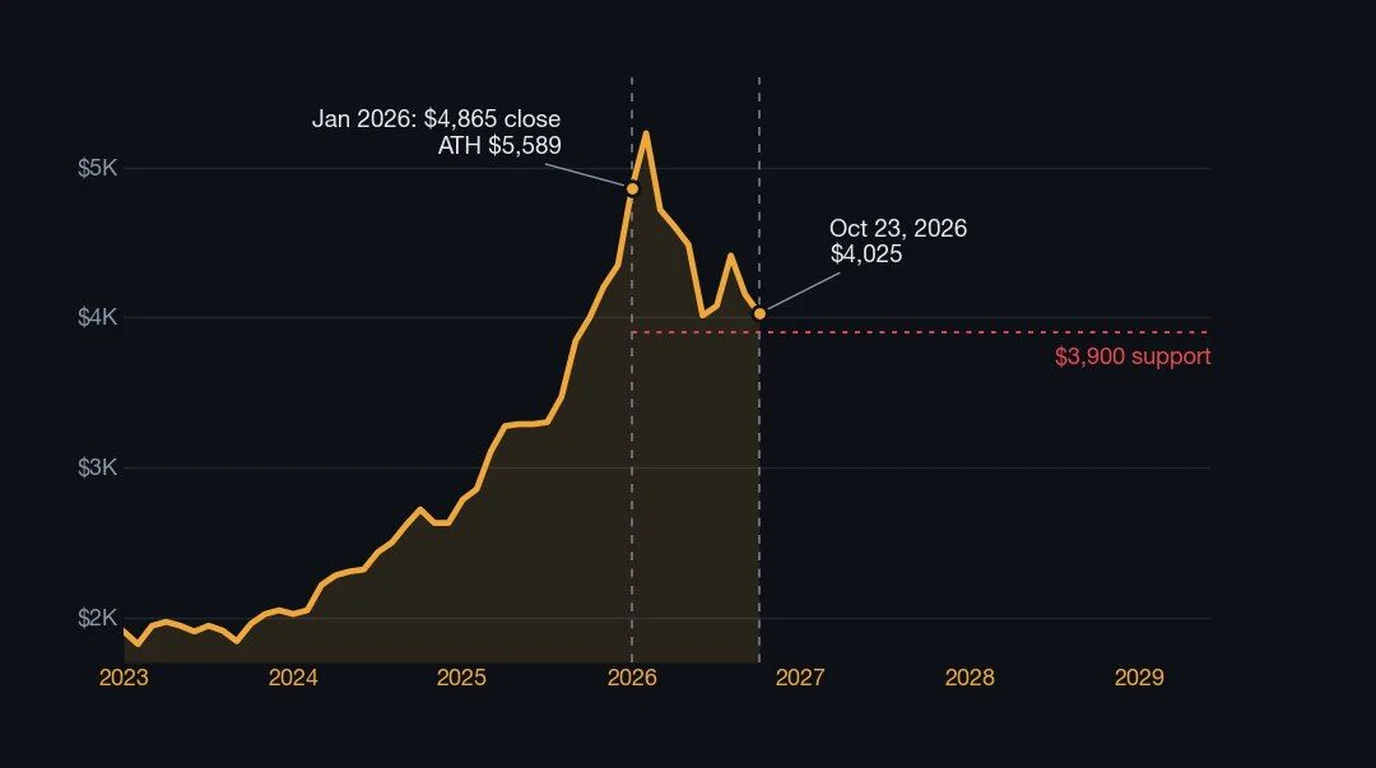
Gold touched 4,000, 28% below its peak. My call from a year ago played out. Now there are two scenarios, and I am watching from the sidelines.
Read More
In recent days, we've seen a wave of dramatic headlines proclaiming the "end of the dollar," "the party is over," and "a new era of hyperinflation is upon us." But let's take a closer look at the facts.
The recent volatility in the long end of the U.S. Treasury yield curve was largely driven by technical issues — namely, weak auctions of Japan's 40-year bonds and the U.S. 20-year Treasury bonds.
However:
At the same time, the U.S. Treasury remains fully committed to maintaining stability in the debt market — managing issuance, duration, and demand with precision. Let's not underestimate their tools and determination.
But here's a fact that has flown under the radar:
On May 12, with little media attention, the U.S. Congress passed a bill on stablecoins called GENIUS. As is often the case, the most important developments happen quietly.
The bill passed with a significant majority — 66 to 32, indicating bipartisan support.
One key provision: all dollar-denominated stablecoins offered in the U.S. must be backed 1:1 by reserves held in cash or U.S. Treasury securities.
This could generate hundreds of billions — even trillions — of dollars in additional demand for Treasuries, more than enough to cover the U.S. budget deficit for the years ahead.
Perhaps that's why Donald Trump recently declared a "crypto-friendly" policy direction for the United States.
So before you rush to sell your Treasuries, consider this:
The party might just be getting started.
October 23, 2026
Konstantin ShvartsGold touched 4,000, 28% below its peak. My call from a year ago played out. Now there are two scenarios, and I am watching from the sidelines.
Read More
August 05, 2026
Dmitri Poltavski, DelfiDelfi interview: the former head of Rosenergobank on coming back to Tallinn and where Nordvik Investments is looking now, from fintech to AI and biotech.
Read More
May 22, 2026
Konstantin ShvartsMy 2025 forecasts have proven accurate. Now, looking toward the end of 2026 — politics, Fed leadership change under Warsh, long-end bond yields approaching critical zone, oil deficit pushing $100+, AI cash flows turning negative. The outlook is not encouraging. I would like to be wrong.
Read More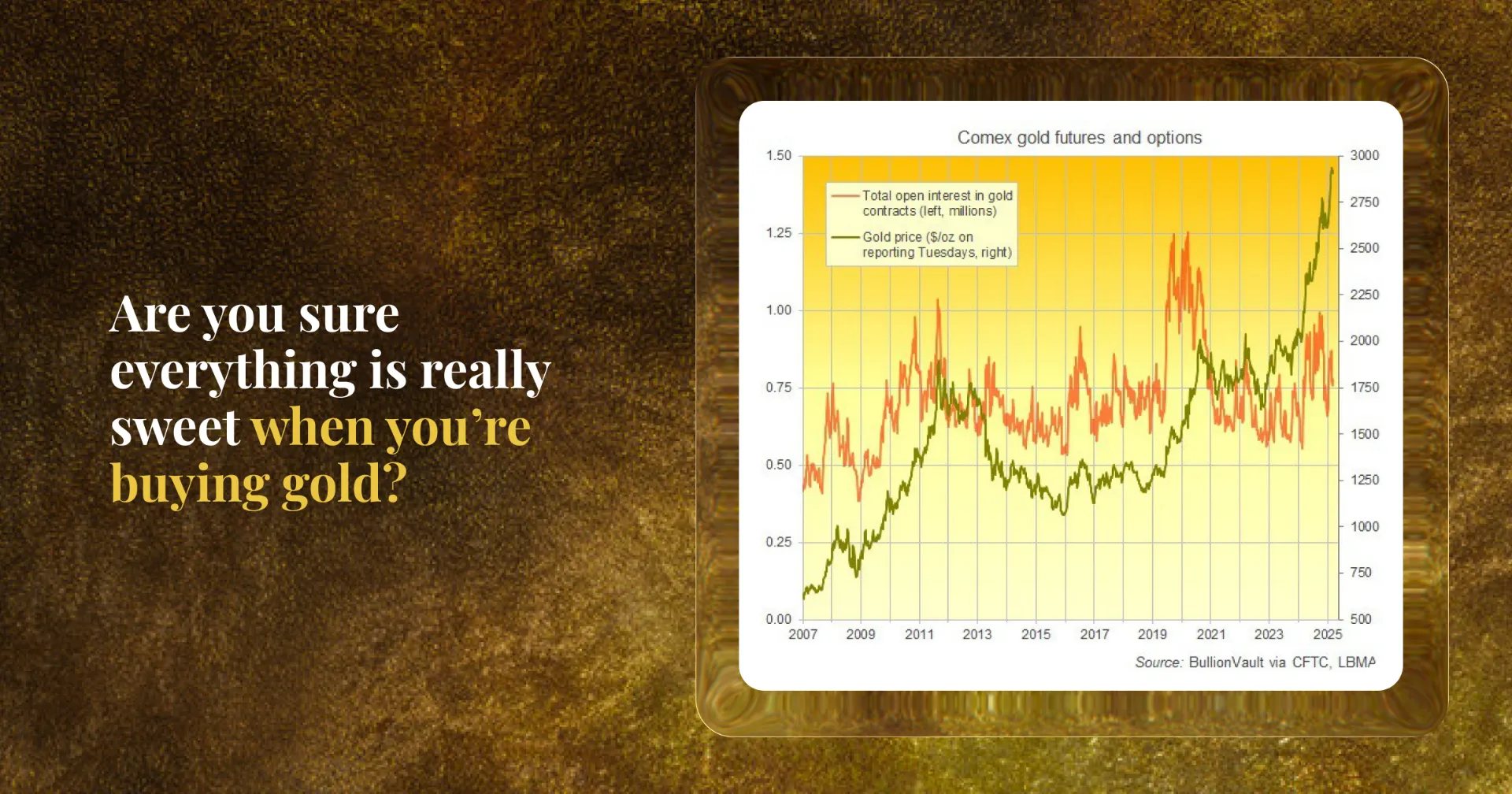
September 09, 2025
Konstantin ShvartsA critical look at the current gold market narrative and whether the reality matches the hype surrounding precious metals investment.
Read More
May 17, 1991
Eesti ExpressA rare archival article from Estonian media captures a young Konstantin Shvarts at the dawn of post-Soviet capitalism — building ventures, reshaping markets, and voicing bold views on Russia's economic future.
Read More
May 27, 2025
Baltic TimesA long-form interview with Konstantin Shvarts: growing up in Tallinn, Rosenergobank, support for the Russian opposition, and why Moscow keeps demanding his extradition.
Read article
September 19, 2024
KommersantFormer Rosenergobank chairman Konstantin Shvarts was one of Boris Nadezhdin's sponsors and often helped him with money during elections. Kommersant on the 2011 loan.
Read article
December 22, 2025
Baltic TimesIn my new article, I reflect on how global markets evolved in 2025 — from AI and gold hype to liquidity tightening and the rise of tokenization. As we enter a year of heightened complexity, I argue that vigilance, not exuberance, will define smart positioning. 🎄 Wishing you and your families a thoughtful holiday season and a prosperous New Year.
Read article